The Top 5 Sectors to Invest in 2026
Top 5 sectors to invest in 2026 will matter more than ever as investors navigate rapid innovation, shifting consumer behavior, and global economic uncertainty. Choosing the right sectors can help you capture growth while managing risk in a fast-changing market.
In this article, our experts at Arincen highlight five sectors expected to thrive in 2026, based on market trends, global demand, sustainability factors, and economic resilience. This is general information to guide your thinking, but it does not replace a deeper look at individual stocks before you invest.
In preparing this ranking, we reviewed 12 months of sector performance, earnings trends, and capital-spending themes across major global markets to identify which areas showed the clearest mix of growth potential and resilience.
Technology leads the way in 2026 thanks to rapid AI growth, 5G expansion, and rising demand for cloud and cybersecurity
Healthcare is a top pick due to aging populations, biotech breakthroughs, and the rise of digital health and telemedicine
Industrials are thriving as Industry 4.0 drives automation, smart infrastructure, and sustainable construction
Agriculture remains essential, with new tech like precision farming and growing pressure to boost global food security
The mining sector is surging on demand for green tech minerals like lithium and cobalt used in EVs and batteries
Sustainability, global demand, and tech innovation are key factors shaping 2026's strongest investment sectors
Defensive sectors like healthcare and industrials offer portfolio stability even in tough economic times
Investors should still research individual stocks to match their goals even when the sector outlook is strong
What criteria identify growth sectors in 2026?
The main criteria for identifying growth sectors in 2026 are market demand, innovation potential, and long-term investment opportunities. These factors help explain why certain sectors stand out more than others. Together, they provide a clear basis for evaluating which areas may be best positioned for growth.
Market trends and technological advancements
One of the main drivers behind choosing growth sectors involves assessing current market trends and technological advancements. In today’s world, so much is happening on the technology front. Witness the explosion of artificial intelligence (AI) as this much-talked-about technology finally makes it to an industrial scale.
As an investor, you should examine the latest innovations, emerging technologies, and consumer behavior shifts driving industry growth. These could be evident in your own life, as you see more and more products “driven by AI,” or the increasing number of products that pronounce how good they are for the planet.
We only have to look to the recent past to see how technology has advanced rapidly. Before the pandemic, several technologies commonplace today—video conferencing, telehealth, and widespread e-commerce—were not as rampant. This shows the importance of technology and its power in our everyday lives.
Focusing on sectors at the forefront of technological change can help you identify opportunities likely to yield significant returns as these innovations become integral to various industries.

Global demand and demographic shifts
Another important method of identifying promising investment sectors is closely watching global demand and demographic shifts.
If you pay enough attention to the news, you can easily spot the sectors that meet peoples’ growing needs across different regions.
Think of how the aging population worldwide is driving increased demand for:
- Healthcare services
- Pharmaceuticals
- Medical technologies
In the same way, the rise of the middle class in emerging markets is boosting demand for the latest consumer goods, financial services, and digital infrastructure. Once you understand these global trends and demographic changes, you can identify sectors ready to benefit from sustained demand and expanding markets.
This is where you head over to your stock broker to find out to which markets they offer access.
Sustainability and environmental impact
The green movement is becoming an ever more important point for investors as consumer preferences and country regulation shift toward better practices for the planet.
It’s not rocket science to figure out that sectors prioritizing sustainable and eco-friendly technologies are gaining importance worldwide, including:
- Renewable energy
- Sustainable agriculture
- Green manufacturing
These industries offer the potential for healthy economic returns and do good work in the face of the planet’s environmental and social challenges. Investing in sectors aligned with global sustainability trends can support the transition to a greener economy while capturing growth opportunities from rising demand for sustainable solutions.
Economic resilience
How a sector performs when the going gets tough says a lot about its resilience and long-term viability. If you think about sectors that provide essential goods and services, such as healthcare, utilities, and consumer staples, these tend to maintain stable demand even during tough economic times.
These industries offer security and risk mitigation, making them attractive to investors looking for portfolio stability.
Additionally, sectors that have shown adaptability and innovation in response to past economic challenges are often better positioned to manage future uncertainties. By focusing on sectors with proven resilience, you can ensure a more balanced approach towards which shares to buy.
Join a Trading Community That Moves Together
Follow top traders and learn from real strategies.
Like, comment, and engage with other investors.
Discover experts through transparent performance data.
Connect with a community built on trust and results.
Grow your knowledge while trading smarter together.
.webp)
What are the top sectors to invest in for 2026?
The top sectors to watch in 2026 are the ones with the strongest growth potential, shifting market trends, and durable investment appeal. These sectors stand out because they are positioned to benefit from major economic and industry changes. Reviewing them closely can help investors focus on the most promising opportunities.
Technology
Technology has always been important as the engine of human progress, but it feels even more so today because of the pace of development. The technology sector comprises many industries and services, including software development, hardware manufacturing, internet services, and emerging fields like AI, cybersecurity, and cloud computing.
AI, in particular, has seen lightning-fast advancements and integration, driving efficiencies and creating new opportunities in industries ranging from healthcare to finance.

Many of the stock market’s biggest darlings are technology companies. The so-called “Magnificent Seven”—Microsoft, Apple, Nvidia, Amazon, Alphabet, Meta Platforms, and Tesla—is an example of this.
This is truly the sector that is leading the charge into the future. Technology rema…
Recommended Brokers



Healthcare
Sector Overview:
Healthcare is another sector that will always be relevant to investors because people will always need healthcare products. The global healthcare services market grew from $7,499.75 billion in 2022 to $7,975.87 billion in 2023 at a compound annual growth rate (CAGR) of 6.3%.

The sector is broad and dynamic and encompasses:
Pharmaceutical companies
Biotechnology firms
Digital health advancements
Pharmaceutical companies play a crucial role in developing, producing, and marketing drugs and vaccines, with ongoing research efforts to treat various diseases. Biotechnology firms are at the forefront of medical innovation, utilizing biological processes to develop therapies and diagnostic tools that promise to revolutionize patient care. Recent advancements in genetic engineering, such as CRISPR technology, have opened new avenues for treating previously untreatable conditions.
Digital health is another rapidly growing sector encompassing telemedicine, wearable health devices, and health information technologies. These advancements are transforming how healthcare is delivered and accessed, making it more efficient and patient-centric.
Not to be outdone, AI also plays an increasingly large role in this area. Integrating AI and machine learning in healthcare enhances diagnostics, treatment plans, and patient outcomes, reflecting the sector's use of technology to improve health.
Why healthcare is a top pick:
Healthcare is a top investment pick for 2026 due to several compelling factors, including demographic trends and technological innovations. The aging global population is creating longer-duration demand for care delivery and senior support, as older adults typically require more medical attention and long-term care. This demographic shift presents a significant growth opportunity for healthcare providers and related industries.
Telemedicine is now critical to modern healthcare, particularly highlighted during the COVID-19 pandemic. The ability to provide remote consultations and care has expanded access to healthcare services, reduced the burden on healthcare facilities, and enhanced patient convenience.
Additionally, ongoing innovations in biotechnology are set to transform the sector, with breakthroughs offering new ways to treat and manage diseases.
- Gene therapy
- Personalized medicine
- Advanced diagnostic tools
The healthcare sector's resilience, essential nature, and continuous innovation make it a robust and attractive area for investment, poised to benefit from both immediate demand and long-term growth trends.
Important global healthcare stocks include Johnson & Johnson, Pfizer Inc., UnitedHealth Group Incorporated, Merck & Co., Inc., and Abbott Laboratories.
Industrials
Sector Overview:
The industrials sector is a critical component of the global economy, encompassing a diverse range of industries involved in:
Manufacturing
Construction
Infrastructure development
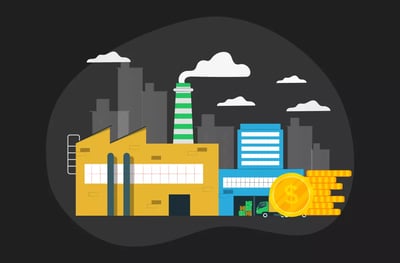
Manufacturing within the industrials sector includes the production of machinery, equipment, and goods used across various other sectors, driving economic activity and technological progress.
The construction industry, a significant subset of industrials, focuses on building residential, commercial, and industrial structures, contributing to urban development and modernization. Infrastructure, which includes developing and maintaining transportation systems, utilities, and public works, is vital for supporting economic growth and improving quality of life.
The sector is also heavily involved in aerospace, defense, and transportation equipment, highlighting its expansive reach and importance. Recent trends within the sector include the increasing integration of smart technologies and automation, enhancing efficiency and productivity across manufacturing and construction processes.
Why industrials are a top pick:
In our estimation, industrials are a top investment pick for 2026 due to their pivotal role in adopting Industry 4.0 technologies and sustainable practices. If you haven't heard the term, Industry 4.0 represents the fourth industrial revolution, integrating such digital technologies as IoT, robotics, AI, and advanced data analytics into industrial processes.
These technologies are transforming manufacturing and construction by enabling smarter production lines, predictive maintenance, and optimized supply chain management. This significantly enhances productivity and reduces operational costs. Further, the move toward sustainable practices within the industrial sector drives innovation and opens up new market opportunities.
Green manufacturing, energy-efficient buildings, and renewable energy adoption are crucial for meeting regulations and consumer demand. These sustainable practices contribute to environmental conservation and position companies for long-term growth. Major industrials’ stocks include General Electric Company, 3M, Honeywell International Inc., Caterpillar Inc., and Union Pacific Corporation.
Agriculture
Sector Overview:
We all have to eat, don’t we? The agriculture sector is fundamental to the global economy, playing a crucial role in food production and the supply of raw materials. It encompasses various activities, including crop cultivation, livestock management, and producing fibers and biofuels.

Agriculture comprises many soft commodities crucial for ensuring food security by providing the necessary nutrients and food to sustain the world’s growing population. Additionally, the sector supplies raw materials for various industries, including textiles, pharmaceuticals, and bioenergy. Recent advancements in agricultural technology, such as precision farming, genetically modified organisms (GMO), and sustainable agricultural practices, have significantly improved productivity and efficiency. These innovations help farmers optimize resource use, improve crop yields, and reduce environmental impact, keeping agriculture vital and dynamic.
Agriculture remains a significant contributor to the U.S. economy, with the broader food and agriculture sector generating approximately $1.5 trillion in economic output in recent years and supporting a substantial share of national GDP. The sector also remains a major employer: it accounts for nearly 11% of total U.S. employment, translating into more than 22 million jobs across the farm and food value chain. This employment base extends well beyond on-farm work to include food processing, distribution, retail, and food service. Food service alone accounts for the largest share of this workforce, with roughly 13 million jobs tied to restaurants, catering, and related services.
Why agriculture is a top pick:
Agriculture is a top investment pick for 2026 due to its increasing emphasis on sustainable farming practices, technological integration, and the critical issue of global food security.
The integration of technology, including precision agriculture tools like GPS tracking and satellite imagery, enables farmers to make data-driven decisions, optimize input use, and improve farm management. Innovations in biotechnology, such as GMOs and CRISPR gene editing, are further revolutionizing crop production by increasing resistance to pests and diseases and improving nutritional content.
Global food security is a pressing concern due to a growing population and changing dietary preferences.
Investing in agriculture can support innovative and sustainable solutions to ensure food security.
Some major global stocks in this sector include:
- Bayer AG
- Deere & Company
- Archer-Daniels-Midland Company
- Bunge Limited
- Corteva, Inc.
- Nutrien Ltd.
Mining
Sector Overview:
The mining sector is not as important as it once was to the global economy, but it remains pivotal, especially since many consumer goods, from smartphones to electric vehicles, rely on minerals like lithium and cobalt. There are other applications to the minerals that mining companies bring out of the ground, such as providing raw materials for construction materials, manufacturing, and building energy systems.

The mining industry is vital for current technological applications, future innovations, and transitioning to a more sustainable energy landscape. Despite its importance, the sector faces environmental impact and resource depletion challenges, prompting a shift toward more sustainable mining practices.
Why mining is a top pick:
Mining is a top investment pick for 2026 due to the growing demand for minerals essential for green technologies and significant advancements in sustainable mining practices. The global push toward renewable energy and electric vehicles drives unprecedented demand for minerals like lithium, cobalt, and nickel, integral to battery technology. As countries and companies commit to reducing carbon emissions and transitioning to cleaner energy sources, the need for these materials is expected to surge. Here are some things you need to know about mining:
Mining stocks' demand fluctuates with economic cycles, impacting prices. Expansion boosts, recession depresses.
Geopolitical events like the Russia-Ukraine war affect commodity prices, influencing mining stocks.
Top mining firms show resilience with diversified operations, low-cost focus, innovation, strong balance sheets, and dividends.
As mining technologies improve extraction efficiency, companies that reduce water and energy consumption, limit land disruption, and rehabilitate sites are better positioned to meet regulatory and operational expectations.
Demand for mined materials tends to fall when the economy slows, and mining stock prices typically decline during a recession. That’s a concern that investors in this sector will always have to worry about. For this reason, you likely have to keep close tabs on the prices and swings of the commodities your chosen stocks produce.
From what we have seen when tracking mining shares through commodity-led selloffs, even operationally strong companies can decline sharply when underlying metal prices weaken, which is why this sector usually requires closer monitoring than healthcare or consumer-facing industries.
Where the sectors fit in the global economy
The following chart highlights the five sectors most often viewed as strategic long‑term investment opportunities and illustrates the share of global GDP each one contributes. By comparing technology, healthcare, industrials, agriculture, and mining alongside all remaining industries grouped as “Other,” the visualization gives you a clear sense of how economic value is distributed across the global landscape:
Top 5 Sectors to Invest In and Their Share of Global GDP
The Bottom Line
The year 2026 presents a promising investment landscape, with several key sectors poised for substantial growth. The technology sector, driven by advancements in AI, 5G, cybersecurity, and cloud computing, continues to lead in innovation and economic impact. Healthcare remains essential due to changing demographic trends. The industrials sector, agriculture, and mining are all equally important for reasons we’ve mentioned in the article.
These sectors offer major opportunities, but as always, it is crucial for you to conduct your own research and due diligence. Evaluating market trends, understanding each sector's risks and opportunities, and staying informed about regulatory changes will be key to making informed investment decisions about which stocks to buy.
FAQ
What are the key sectors in which to invest for 2026?
The key sectors include Technology, Healthcare, Industrials, Agriculture, and Mining. Each of these sectors is poised for significant growth due to various market trends and technological advancements.
Why is the technology sector a top investment pick?
This is because of continuous innovation, the widespread adoption of AI, cybersecurity advancements, and the expansion of 5G networks. This sector has demonstrated resilience and adaptability, especially during the pandemic
How is the healthcare sector expected to perform in 2026?
The healthcare sector is expected to perform well due to the aging global population, the rise of telemedicine, and significant biotech innovations. These factors drive consistent demand and growth within the sector.
What makes the industrials sector a promising investment?
The industrials sector is promising due to the implementation of Industry 4.0 technologies and a strong focus on sustainable practices. These advancements improve productivity and environmental impact, making the sector attractive for long-term investments.
Why should I consider the agriculture sector?
You should consider the agriculture sector because of its critical role in global food production and security. Sustainable farming practices and technological integration are enhancing efficiency and output in this sector.
What are the benefits of investing in the mining sector?
The mining sector is a good call for investment due to the increasing demand for minerals used in green technologies and sustainable mining practices. Keep an eye on commodity prices.
What should I consider when selecting sectors for investment?
You should consider market trends, technological advancements, global demand, demographic shifts, sustainability, environmental impact, and economic resilience. These factors help identify sectors with strong growth potential and stability during economic downturns.
Why is technology the top investment sector for 2026?
Technology leads because AI, cloud computing, cybersecurity, 5G, and automation continue to expand across industries. Even with regulatory and geopolitical pressure, the sector remains central to growth and digital transformation.
Is healthcare still a strong sector to invest in during 2026?
Yes. An aging population, rising demand for care, telemedicine growth, and advances in biotech and diagnostics support healthcare. Its essential nature also makes it relatively resilient when economic conditions become uncertain.
Why should investors look at agriculture in 2026?
Agriculture matters because food demand keeps growing, while precision farming, biotechnology, and sustainable methods improve efficiency. The sector also supports food security and supplies raw materials to several major industries.
Is mining a good investment sector for 2026?
Mining can offer opportunity because lithium, cobalt, nickel, and other minerals are essential for batteries, electric vehicles, and renewable energy systems. However, the sector is cyclical, so commodity price swings remain a major risk.
What factors should investors use to choose sectors in 2026?
Focus on market trends, technological change, demographic shifts, global demand, sustainability, and economic resilience. These factors can help identify sectors with stronger growth potential and a better chance of withstanding volatility.
Which sector is usually the most resilient during economic uncertainty?
Healthcare is often one of the most resilient because people continue to need medicines, treatment, and medical services in all market conditions. Other essential areas can also hold up better than more cyclical sectors.
In our review of healthcare earnings over the past four quarters, companies with diversified revenue streams across devices, services, and pharmaceuticals tended to show more stable performance than single-product businesses.



Related Articles
 FOREX Brokers
Best CFD Brokers and Trading Platforms for 2026
This article reveals the best CFD brokers and trading platforms for 2026. Discover which CFD broker and trading apps have the biggest and best range of features.
 Trading Beginners
What is a Japanese Candlestick?
This essential guide explain what is candlesticks, how to use them and pros & cons of candlesticks trading, and also covers the best 21 Japanese candlestick patterns to use while trading a host of financial assets. Learn what each pattern means and how to use them.
 Articles
Why Is The US Dollar So Strong?
The USD has been on a roll while other currencies and assets continue to tumble. Why and how? Arincen experts provide answers.