Table Of Contents
- What are ETFs?
- How do ETFs work?
- What are the main types of ETFs?
- Why should you invest in ETFs?
- What are the pros and cons of ETFs?
- How do ETFs compare with other investment vehicles?
- What are some popular ETFs and how have they performed?
- How do you invest in ETFs?
- How do you choose a broker for ETF investing?
- What costs and fees do ETFs have?
- What are the market trends and future of ETFs?
- How do regulatory developments affect ETFs?
- Conclusion
What are Exchange Traded Funds, How to Invest in Them
Exchange Traded Funds (ETFs) have become a popular way to invest thanks to their flexibility, affordability, and diversification. With a single fund, you can gain exposure to stocks, bonds, commodities, and even cryptocurrency, making ETFs appealing to both new and experienced investors.
In this article, our experts at Arincen explain what ETFs are, how they work, and how to invest in them. You will also see why these funds have become such an important part of the modern retail investing landscape.
ETFs are funds traded on stock exchanges like individual stocks, offering flexibility, liquidity, and ease of entry compared to mutual funds.
They typically use passive management to track benchmarks, which allows low expense ratios and high transparency through daily disclosure of holdings.
ETFs offer instant diversification by bundling investments in stocks, bonds, commodities, cryptocurrencies, or specialized themes within a single fund.
They can be bought and sold during trading hours at live market prices
The creation/redemption mechanism uses large institutions to align share supply with demand and helps maintain market price in line with net asset value.
ETFs are more tax-efficient than mutual funds because of in-kind redemptions, which reduce capital gains distributions to investors.
Types include passive index ETFs, thematic and sector-specific ETFs, and actively managed ETFs, each varying in strategy and cost.
Pros include low fees, diversification, transparency, intraday trading, and tax efficiency; cons include niche liquidity issues, higher fees for active ETFs, and complexity of leveraged or inverse structures.
What are ETFs?
ETFs are investment funds traded on stock exchanges, much like stocks, providing you with liquidity and the ability to buy and sell shares throughout the trading day at market prices. They differ from mutual funds, which are only priced at the end of the trading day.
ETFs are often less expensive than mutual funds because they are passively managed, with many tracking an index rather than being actively managed by a human expert. Additionally, ETFs are highly transparent, with their updated value and make-up typically disclosed daily. These attributes collectively make ETFs a versatile and attractive option for a wide range of investment strategies.
There are many types of ETFs, but at their heart, these financial assets offer a way to pool your money in a fund that invests in stocks, bonds, and even cryptocurrencies.
In return, you will receive payouts when you sell your stake in that investment if you sell at a higher price than when you bought it.
You can buy and sell ETF shares throughout the trading day at market price, potentially capitalizing on short-term price fluctuations. This makes ETFs a great option for a wide range of investment strategies, from conservative to aggressive.
How do ETFs work?
ETFs work by pooling assets such as stocks, bonds, or commodities into a single fund and issuing shares that trade on an exchange. Each share represents fractional ownership of that basket, which makes ETFs an efficient investment vehicle for gaining broad market exposure. This structure helps investors buy and sell ETF shares easily during market hours.
These shares are traded on stock exchanges, giving investors easy market access during normal trading hours. The price of ETF shares closely tracks the net asset value (NAV) of its underlying assets.
This creation and redemption process is important to how ETFs operate. Large financial institutions, such as banks or trading brokers, create new shares by purchasing the underlying assets in the ETF's portfolio and delivering them to the ETF issuer in exchange for new shares when demand for more ETF shares arises. This process is known as "creation."
On the other hand, if there are too many ETF shares outstanding, institutions can redeem them by returning them to the issuer in exchange for the underlying assets. This "redemption" process helps to keep the supply of ETF shares aligned with market demand.
Although not the main focus of this article, we can confirm that ETFs are known for their tax efficiency.
In brief, it’s down to their creation and redemption process that minimizes the capital gains distributions that you might otherwise incur with mutual funds.
In fact, compared with mutual funds, ETFs offer greater trading flexibility. While mutual funds can only be bought or sold at the end of the trading day at the closing NAV, ETFs trade on stock exchanges just like individual stocks, allowing for intraday trading. This means you can take advantage of market movements throughout the day while using various trading strategies such as limit orders, stop orders, and margin trading.
Stay in Control of Your Investments
Build and manage your own portfolio with ease.
Track profits, dividends, gainers, and losers in real time.
Create a custom watchlist for the assets you care about most.
Get live updates on stocks, ETFs, cryptos, and commodities.
Access everything anytime through a sleek, flexible dashboard.
.webp)
What are the main types of ETFs?
The main types of ETFs include funds focused on stocks, bonds, commodities, sectors, and specific market strategies. Each type is designed to give investors exposure to a particular asset class or investment objective. Knowing these categories makes it easier to choose the ETF that fits your goals.
Passive ETFs
As you become a more active ETF investor, you will hear the term “thematic ETFs,” which go a step further by focusing on broader investment themes like clean energy, artificial intelligence, or social responsibility, allowing you to capitalize on emerging trends and societal shifts.
But, back to the “passive” in passive ETFs - it simply means that when you invest in such an ETF, you can watch the performance of the entire index and not worry about the small swings of individual assets.
Actively managed ETFs
Unlike passive ETFs, actively managed ETFs are overseen by professional managers who make tactical decisions about the portfolio's composition to outperform the market. With these types of funds, you typically pay higher fees because of the fund's active management. The main advantage of actively managed ETFs is their potential to generate higher returns through strategic asset selection and market timing.
Bond ETFs
Bond ETFs expose you to various types of bonds, offering you a way to diversify your income streams.
One of the main types of bonds is government bond ETFs that invest in sovereign debt and are typically considered low-risk investments. Corporate Bond ETFs focus on debt issued by companies, offering higher yields but with increased risk. Municipal Bond ETFs invest in bonds issued by local governments, which often provide tax-exempt income, making them attractive to investors in higher tax brackets.
Commodity ETFs
Commodity ETFs expose you to physical commodities without the need to purchase and store the actual commodities.
Precious Metals ETFs invest in metals like gold and silver, which are often seen as safe-haven assets during times of economic uncertainty. Energy Commodity ETFs focus on resources like oil and natural gas and oil, providing a way to hedge against energy price fluctuations and inflation.
Currency ETFs
Currency ETFs allow you to invest in foreign currencies without the complexities of trading in the FOREX market. Major Currency Pairs ETFs focus on widely traded currency pairs such as EUR/USD or USD/JPY, offering liquidity and stability. Emerging Market Currencies ETFs invest in currencies from developing countries, providing higher growth potential but also greater volatility and risk.
Crypto ETFs
We’ve discussed these in another article. Crypto ETFs are a recent innovation that provides exposure to cryptocurrencies. Bitcoin ETFs track Bitcoin's price, offering a way to invest in the leading cryptocurrency without managing digital wallets. Other Cryptocurrency ETFs invest in a basket of various digital assets, allowing for diversification within the volatile crypto market.
Why should you invest in ETFs?
You should invest in ETFs if you want a simple way to gain diversification, maintain liquidity, and often benefit from lower costs. They give you access to a broad mix of assets within a single fund while still trading like stocks. This combination makes ETFs attractive to both new and experienced investors.
Diversification
ETFs typically hold a wide range of assets within a specific index, sector, or theme, providing broad exposure and reducing the risk of investing in a single security. For example, the SPDR S&P 500 ETF (SPY) includes 500 of the largest U.S. companies, offering instant diversification across various industries. This diversification helps you mitigate risk and enhance the stability of your investment portfolio.
Cost-efficiency
This is another significant advantage of ETFs. They generally have lower expense ratios than mutual funds because they are often passively managed. This lower cost structure translates into higher net returns for you over the long term. For instance, the Vanguard Total Stock Market ETF (VTI) has an expense ratio of just 0.03%, making it an extremely cost-effective way to gain exposure to the entire U.S. stock market.
Liquidity and flexibility
These further enhance the appeal of ETFs. Since they are traded on major stock exchanges, ETFs can be bought and sold at market prices throughout the trading day, similar to stocks. This intraday trading capability allows investors to react quickly to market movements and implement various trading strategies.
What are the pros and cons of ETFs?
The main pros and cons of ETFs are that they offer diversification and trading flexibility, but they can still involve market risk and other investment trade-offs. ETFs are popular because they are easy to buy and sell, yet investors still need to understand how each fund is structured. Weighing these advantages and disadvantages helps you decide whether an ETF suits your strategy.
Pros
Diversification
We’ve already mentioned this, but we’ll say it again. This can include assets such as stocks, bonds, or commodities across various sectors and geographic regions. Diversification helps reduce the risk of a single security’s poor performance significantly impacting the overall investment.
Lower costs
Because ETFs are passively managed, they typically have lower expense ratios than mutual funds. This cost efficiency is crucial for long-term investors, as it results in higher net returns over time.
Trading flexibility
ETFs are traded on major stock exchanges, allowing investors to buy and sell shares at market prices throughout the trading day. This intraday trading provides flexibility to react to market movements and implement various trading strategies.
Tax efficiency
The unique creation and redemption process of ETFs helps minimize capital gains distributions, making them more tax-efficient than mutual funds.
Cons
Potential lack of liquidity
While many ETFs are highly liquid, some, particularly niche or low-volume ETFs, can suffer from liquidity issues. This can result in wider bid-ask spreads and make it more challenging to execute large trades without affecting the market price.
Higher fees for actively managed ETFs
Due to the costs associated with active portfolio management, actively managed ETFs have higher expense ratios than passive ETFs.
Risks associated with leveraged and inverse ETFs
Leveraged and inverse ETFs use financial derivatives to amplify returns or provide inverse returns relative to an index. These ETFs are designed for short-term trading and can be highly volatile and risky. Their complex structure and daily reset feature can lead to significant losses if you hold them for longer.
In market conditions with sharp daily swings, we regularly see retail traders underestimate how quickly compounding can distort returns in leveraged ETFs when positions are held for more than a few sessions.
How do ETFs compare with other investment vehicles?
ETFs compare with other investment vehicles by combining the diversification of a fund with the exchange-traded flexibility of stocks. Unlike some alternatives, they can be bought and sold throughout the day while still giving access to a basket of assets. This makes ETFs a practical middle ground for many investors.
ETFs vs. Mutual Funds
Management Styles (Active vs. Passive)
ETFs and mutual funds can both be actively or passively managed. However, ETFs are predominantly passive, tracking indices like the S&P 500, offering lower fees and simplicity. On the other hand, mutual funds are more commonly actively managed, and therefore more expensive, even if they can sometimes yield higher returns.
Fee structures
Generally, ETFs have lower expense ratios compared to mutual funds. For example, the average expense ratio for ETFs can be as low as 0.03%, while mutual funds might range from 0.5% to 2%.
Tax implications ETFs are more tax-efficient than mutual funds, which frequently trade securities and generate capital gains distributed to investors.
Liquidity and trading flexibility ETFs trade on stock exchanges at market prices, while mutual funds settle once daily at closing NAV. Investors can buy and sell ETF shares throughout the trading day. Mutual funds, however, are priced only once at the end of the trading day, limiting their liquidity and flexibility.
ETFs vs. Stocks
Diversification benefits
ETFs offer instant diversification by holding a basket of securities, reducing the risk of investing in a single stock. For example, buying an ETF like tSPY provides exposure to 500 different companies, whereas investing in a single stock ties you into that stock’s performance.
Risk management
ETFs spread risk across many assets, reducing the impact of any security’s poor performance on the overall portfolio. Stocks, however, come with higher specific risks since your fortunes are tied to one company's performance, upsetting your risk management strategies.
Trading and ownership differences
Both ETFs and stocks are traded on exchanges, providing intraday trading opportunities. However, owning ETFs means holding a share of a fund that contains multiple assets, whereas owning stock means holding equity in a single company. ETFs are generally less volatile.
What are some popular ETFs and how have they performed?
Some popular ETFs can offer investors a useful snapshot of different market exposures and recent performance. Looking at a few examples helps illustrate how ETF returns can vary by asset class, strategy, and market conditions. This makes it easier to compare ETF options before investing.
SPY
SPY is one of the world's most well-known and heavily traded ETFs. Launched in 1993, SPY tracks the performance of the S&P 500 Index, which comprises 500 of the largest publicly traded companies in the United States. As of 2025, SPY has an expense ratio of 0.09%, making it one of the most widely used and cost-effective ways for investors to gain broad exposure to the U.S. equity market. With assets under management exceeding $500 billion, SPY remains the largest and most actively traded ETF in the world.
iShares Russell 2000 (IWM)
The iShares Russell 2000 ETF (IWM) tracks the Russell 2000 Index, which comprises the smallest 2,000 companies in the Russell 3000 Index. This ETF helps investors diversify by including smaller companies, which often have higher growth potential than large-cap stocks. Over the past decade, IWM has delivered an average annual return of approximately 10.7% and an expense ratio of 0.19%.
Bitcoin ETFs
Bitcoin ETFs have emerged as a popular way to invest in the cryptocurrency market without the complexities of owning and storing digital assets. The ProShares Bitcoin Strategy ETF (BITO) was the first Bitcoin ETF approved in the U.S., offering exposure to Bitcoin futures contracts. Since its launch in October 2021, BITO has enabled investors to participate in Bitcoin's price movements through a regulated investment vehicle.
How do you invest in ETFs?
- Open a brokerage account: To invest in ETFs, you will need a brokerage account. If you don’t already have one, select a broker that suits your needs and complete the account opening process. This typically involves providing personal information, linking a bank account, and possibly answering questions about your investment experience and goals.
- Fund your account: Once your brokerage account is set up, transfer funds into the account. This can usually be done via bank transfer, wire transfer, or online wallet.
- Choose your ETFs: Use your broker’s platform to research the best ETFs. Look at such factors as the fund’s expense ratio, historical performance, underlying index, and assets. Decide which ETFs align with your investment goals.
- Place an order: To buy an ETF, enter the ticker symbol into your brokerage platform, specify the number of shares or the amount you want to invest, and place your order!
- Monitor your investments: After purchasing ETFs, monitor their performance regularly and adjust your portfolio as needed to stay aligned with your investment strategy.
- Sell when needed: When you decide to sell an ETF, enter the sell order in your brokerage account. Like buying, you can choose a market order to sell at the current price or a limit order to sell at a specific price.
How do you choose a broker for ETF investing?
You choose a broker for ETF investing by comparing costs, platform features, investment options, and overall ease of use. The right broker should make it simple to research ETFs and place trades efficiently. Reviewing these factors can help you find a platform that fits your investing needs.
Fees and commissions: Look for brokers with low or no trading fees for ETFs. Some brokers, like Charles Schwab, Fidelity, and Vanguard, offer commission-free ETF trading.
Platform usability: Ensure the brokerage platform is user-friendly and provides the tools and resources you need for effective trading and research. Read our article here for a range of FOREX brokers who normally provide access to ETFs, too.
Customer support: Reliable customer service can be important, especially if you encounter issues or have questions about your account or trades.
Research and education: Brokers that provide comprehensive research tools, educational resources, and access to market analysis can help you make informed investment decisions. In our broker reviews, the most useful ETF platforms have consistently been the ones that combine low dealing costs with clear fund screeners, live spread data, and straightforward order controls during volatile sessions.
Utilizing ETF screening tools
ETF screening tools are valuable for narrowing down the vast array of available ETFs to those that meet your specific criteria. These tools allow you to filter ETFs based on various factors, such as:
Expense ratios
Performance
Sector and asset class
Holdings, i.e., the underlying holdings
Role of robo-advisors in ETF investments
You might be interested in robo-advisors, which have simplified ETF investing by offering automated portfolio management based on your financial goals and risk tolerance. They use algorithms to build and manage a diversified portfolio of ETFs, rebalancing as necessary to maintain your desired asset allocation. Some benefits of using robo-advisors include:
Low fees
Accessibility to a professionally managed portfolio
Customization
What costs and fees do ETFs have?
Investing in ETFs comes with various costs and fees that can impact your overall returns. Understanding these expenses is crucial for making informed investment decisions.
Expense ratios
We’ve mentioned this throughout the article as we believe it is a major part of choosing which ETF works for you. The expense ratio is an annual fee expressed as a percentage of the fund's average assets under management. It covers the ETF's costs, including administrative expenses, management fees, and other operational costs. For example, if an ETF has an expense ratio of 0.10%, you will pay $10 annually for every $10,000 invested. So, a low expense ratio like 0.03% would see you pay $3 for every $10,000 invested.
Trading commissions
When buying or selling ETFs, you may incur trading commissions charged by your brokerage. These fees can vary significantly between brokers. Be sure to choose wisely.
Bid/Ask spreads and premiums
The bid/ask spread is the difference between the highest price a buyer is willing to pay (bid) and the lowest price a seller is willing to accept (ask). This spread is usually narrow for ETFs with high liquidity, often just a few cents. However, for less liquid ETFs, the spread can be wider, increasing the cost of trading.
Other hidden costs
Beyond the visible costs, there are other hidden expenses to consider. For instance, ETFs that invest in international securities may incur foreign tax expenses or higher custody fees. You should be alert to the fine print when you sign up for any ETF.
In our analysis of high-volume and niche ETFs over the past 12 months, we found that a slightly higher expense ratio can still be cheaper in practice when the fund trades with tighter bid-ask spreads and stronger daily volume.
What are the market trends and future of ETFs?
The future of ETFs remains strong as market trends continue to support their growth and wider adoption. Investors are increasingly using ETFs for diversified, flexible access to different asset classes. This suggests the ETF market is likely to keep expanding as demand evolves.
Growth in ETF assets under management
Global ETF assets under management are expected to surpass nearly $20 trillion by the end of 2025, reflecting sustained inflows and broad investor adoption across equity, fixed income, and thematic funds.
This growth is driven by rising investor preference for low-cost, diversified investment products and by the expansion of ETFs across asset classes and sectors.
Emerging trends in ETF strategies and products
Several emerging trends are shaping the future of ETFs. One prominent trend is the rise of thematic and Environmental, Social, and Governance (ESG) ETFs. Investors are increasingly seeking products that align with their values and long-term themes, such as clean energy, technological innovation, and social responsibility.
How do regulatory developments affect ETFs?
Regulatory changes play a critical role in the evolution of the ETF market. In recent years, U.S. and European regulators have taken steps to enhance transparency and protect investors. The introduction of the ETF Rule (Rule 6c-11) by the U.S. Securities and Exchange Commission (SEC) in 2019 streamlined the process for launching new ETFs, reducing the regulatory burden and encouraging innovation. This rule has made it easier for issuers to bring new products to market and has likely contributed to the growth in ETF offerings.
In Europe, regulatory initiatives such as the Markets in Financial Instruments Directive II (MiFID II) have increased transparency in ETF trading and improved retail investors' access to ETFs. These regulations aim to provide greater investor protection and ensure that ETFs are traded efficiently on exchanges. The future of ETFs looks promising, with continuous innovation in product offerings and strategies. It could be the perfect investment vehicle for you if you can find a good broker through thorough research.
Conclusion
Exchange Traded Funds (ETFs) offer a flexible and cost-effective way to invest in a wide range of assets, from stocks and bonds to more specialized market sectors. By understanding what ETFs are, how they work, and the different types available, you can make more informed decisions that support your personal investment strategy.
Whether you are just starting out or refining an existing portfolio, ETFs can help you build diversification and manage risk more effectively. Take time to research your options carefully, and choose funds that align with your financial goals and risk tolerance.
FAQ
What are ETFs?
ETFs are funds that trade on stock exchanges like shares. They let you invest in a basket of assets, such as stocks, bonds, commodities, or crypto, with diversification, liquidity, and generally lower costs.
How do ETFs differ from mutual funds?
ETFs trade throughout the day at market prices, while mutual funds are priced once at the end of the trading day. ETFs also tend to have lower fees and can be more tax-efficient.
What types of assets can ETFs include?
ETFs can include a wide range of assets, such as stocks, bonds, commodities, and even cryptocurrencies. This diversity allows you to access various markets and sectors within a single fund.
What are the benefits of investing in ETFs?
The main benefits of ETFs include diversification, lower costs, trading flexibility, and tax efficiency. They allow you to spread risk across multiple assets, reduce investment costs, and trade shares throughout the day.
What are passive and actively managed ETFs?
Passive ETFs track a specific index, such as the S&P 500, and aim to replicate its performance with low management fees. Actively managed ETFs are overseen by professional managers who make strategic decisions to outperform the market, often with higher fees.
How does the creation and redemption process of ETFs work?
The creation and redemption process involves creating new shares by purchasing the underlying assets of the ETF and delivering them to the issuer. If there are too many ETF shares, institutions can redeem shares by returning them to the issuer for the underlying assets, maintaining market-price alignment.
Why are ETFs considered tax-efficient?
ETFs are tax-efficient due to their creation and redemption process, which minimizes the need to sell underlying assets and thus reduces capital gains distributions. This makes ETFs more tax-friendly compared to mutual funds, which frequently incur capital gains taxes from portfolio adjustments.
How do you invest in ETFs?
Open and fund a brokerage account, research ETFs that match your goals, then place a buy order using the fund’s ticker symbol. After that, monitor performance and rebalance or sell when needed.
What can an ETF invest in?
An ETF can hold many asset types, including stocks, bonds, commodities, currencies, and cryptocurrencies. This makes it easier to access specific markets, sectors, or themes through one investment.
Why do investors buy ETFs?
Investors often choose ETFs for diversification, lower expense ratios, and trading flexibility. They can suit different goals, including long-term growth, income, sector exposure, or hedging against market volatility.
What is the difference between passive and active ETFs?
Passive ETFs track an index and usually charge lower fees. Active ETFs are managed by professionals trying to outperform the market, but they normally cost more and may carry higher strategy risk.
Are ETFs safer than individual stocks?
ETFs are generally less risky than a single stock because they spread your money across multiple holdings. That said, they still carry market risk, and niche or leveraged ETFs can be much more volatile.
What are the main risks of ETFs?
ETF risks include market losses, liquidity problems in niche funds, wider bid-ask spreads, and higher fees in active products. Leveraged and inverse ETFs can be especially risky if held beyond the short term.
What costs should you check before buying an ETF?
Look at the expense ratio, any trading commissions, and the bid-ask spread. Also check for hidden costs, especially in international or specialist ETFs, because they can reduce your overall return.
How does the ETF creation and redemption process work?
Large institutions create ETF shares by delivering the underlying assets to the issuer, and redeem shares by exchanging them back for those assets. This helps keep ETF supply and market pricing close to asset value.



Related Articles
 Crypto
How Bitcoin ETFs Work and How to Invest in Them
This detailed article explains the two main types of Bitcoin ETFs. You will understand how they work and how to invest in them.
 Stocks
What Are Stocks and How to invest in Them
This article provides detailed information on stocks, sometimes known as shares, and how to invest in them safely and profitably.
 Stocks
From IPO to Stock Market Champions: The Rise of Big Tech Firms
This article reveals the stock market performance of some of the world’s most famous companies. We discuss how stock investors can take inspiration from the stories and apply lessons to their own investing.
 Stocks
The Top Facts to Know About Price-to-Earnings Ratios
Learn what the Price-to-Earnings (P/E) ratio is, how it’s calculated, and why investors use it to evaluate stocks. Discover the difference between high and low P/E ratios, industry benchmarks, and how to apply this key financial metric in your investment strategy.
 Stocks
Which is Better for You - Stocks or CFDs? What is The Difference?
This article provides detailed information on choosing between investing in stocks or contracts for difference, otherwise known as CFDs. We’ll help you decide which is better for you.
 Stocks
Most Important Financial Ratios in Stock Trading and What They Mean
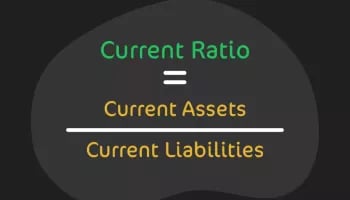
Read this article to understand the most common and important financial ratios to work with in stock trading and learn what each of them means
 Stocks
The Ultimate Guide to Using Financial Reports to Invest in Shares
Use this guide to learn how to use financial reporting to draw financial ratios that help you make winning stock purchasing decisions.